
About ITC SRA
Preserving the legacy, nurturing the future of Hindustani Classical Music since 1977.
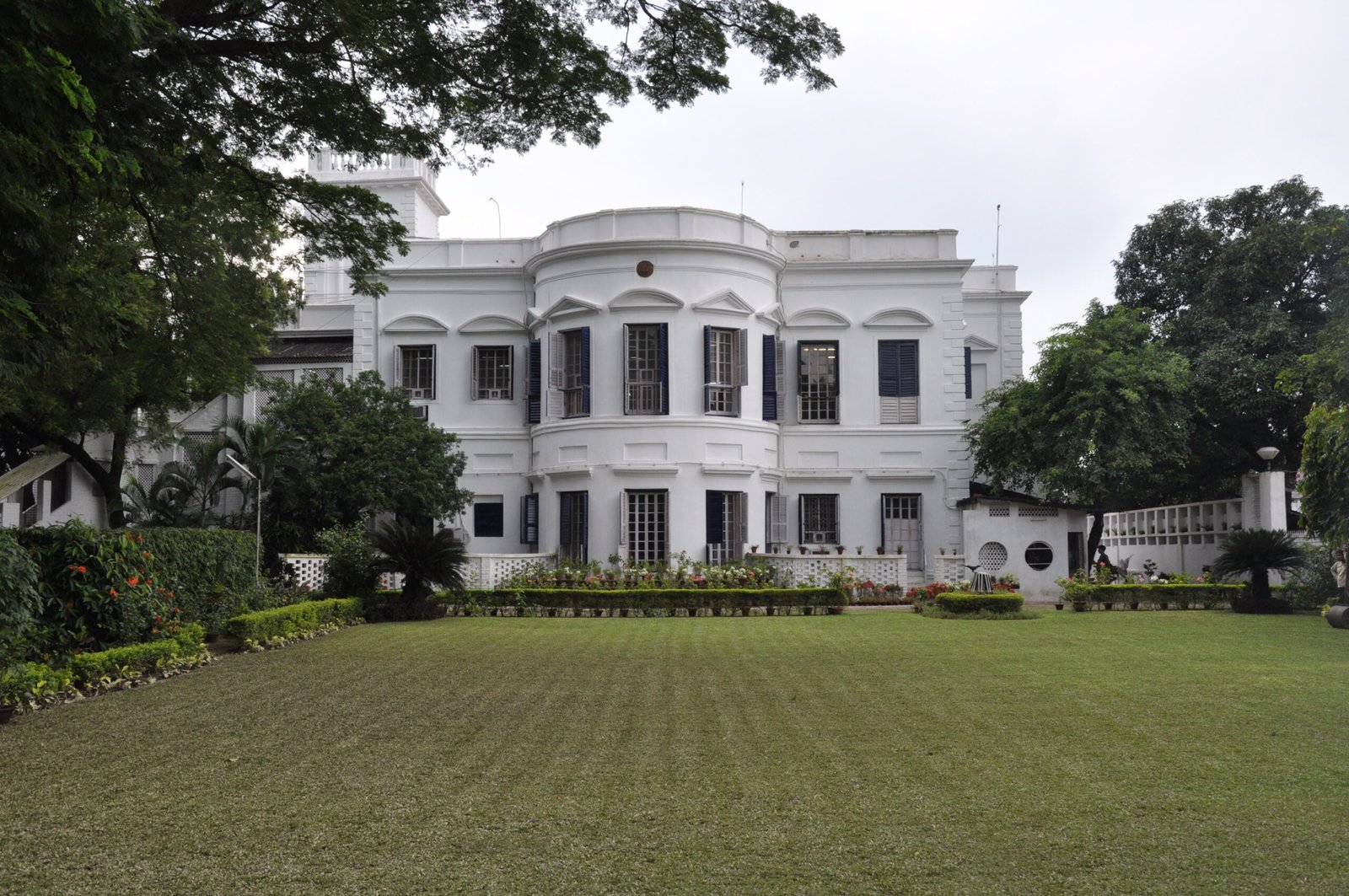
Origin & History
ITC's association with music began with the ITC Sangeet Sammelan conducted in Delhi in 1971. This Sammelan also instituted a substantial cash award to be given to one of the oldest living musicians of stature. The Sammelan took Delhi by storm and went on to become an annual rage. Consistently featuring the reigning monarchs of the music world, this annual Sammelan changed the culture-scape of the capital of the country.
ITC then pioneered the corporate patronage of Hindustani classical music, an integral part of Indian classical music, which was suffering from the withdrawal of royal support. Corporate patronage of music on this scale was unknown before.
ITC Pioneers Corporate Patronage of Music
ITC then pioneered the corporate patronage of Hindustani classical music, an integral part of Indian classical music, which was suffering from the withdrawal of royal support. Corporate patronage of music on this scale was unknown before.
During the mid-seventies, ITC's top management envisioned that the Company could play a major role to preserve and propagate the rich Indian musical heritage. Bearing in mind that there were several futile attempts to build gurukuls of music during the last 50 years, ITC aspired to go beyond merely nurturing and propagating the priceless tradition of Hindustani Classical Music. In creating ITC SRA, ITC's farsighted endeavour was to establish a modern 'Gurukul' and revive the traditional 'Guru-Shishya Parampara'.
ITC SRA was created in 1977 as an independent Public Charitable Trust. It was modelled as an institution to epitomise the best of Hindustani Classical Music. There was also a clear understanding that it would never seek any monetary help from the government and that it would be professionally run.
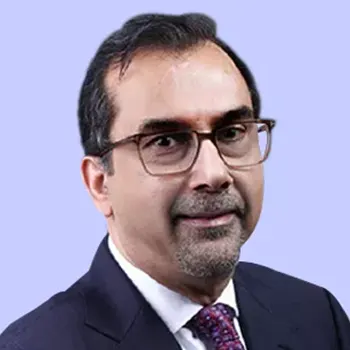
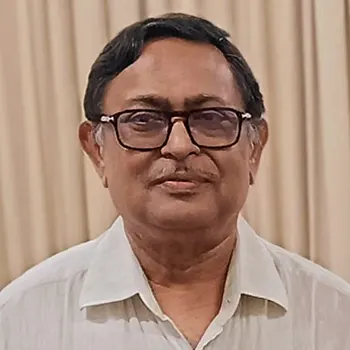
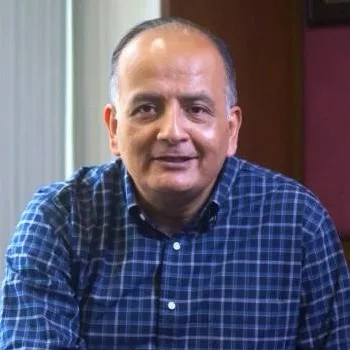
The combined wisdom of our Board of Trustees helps the Academy formulate its policies and take the best decisions for its progress. It ensures institutional effectiveness through professional management of the organisation. The present Board comprises Sanjiv Puri, Chairman of ITC Group; Nazeeb Arif, Amitav Mukherji, A.S. Sundaram and Saradindu Dutta who is the Executive Director of ITCSRA.
The Evolution of Indian Music
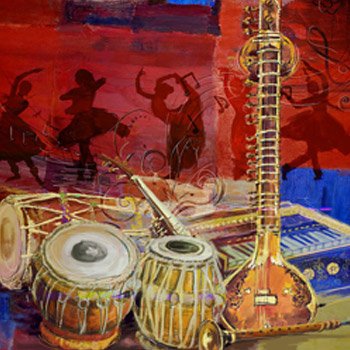
Sitar, sarod, tabla, sarangi or dhrupad, khayal, ghazal or raga, tala, gharana- these are known the world over today. They represent Hindustani Art Music – in reality, a part of Indian Classical music.
Indian music has developed through very complex interactions between different peoples of different races and cultures over several thousand years. In a musical tradition in which improvisation predominates, and written notation, when used, is skeletal, the music of past generations is irrevocably lost.
However, references to music in ancient texts, aesthetic formulations, and depictions and written discussions of musical instruments can offer clues. In rare instances an ancient musical style may be preserved in an unbroken oral tradition. For example, musical notes or the structure of a raga, as we know them today, must have had their origins in the Samavedic times.
For most historical eras and styles, surviving treatises explaining musical scales and modes, provide a particularly important means of recapturing at least a suggestion of the music of former times. Tracing the musical theory of the past makes clear the position of the present musical system.
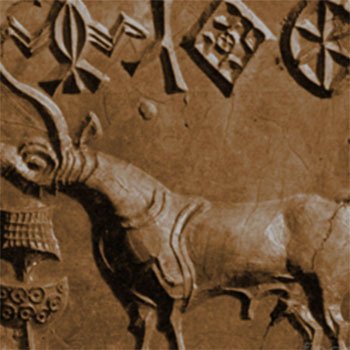
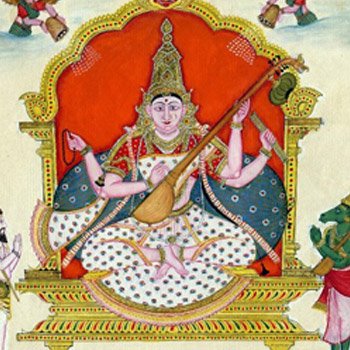
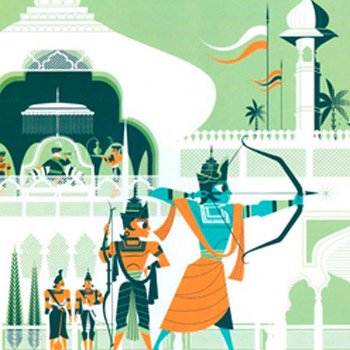
The Chronology of Indian Music
For any discussion of cultural matters pertaining to India the following rough chronological sequence or historical periodization is useful.
Our Vision
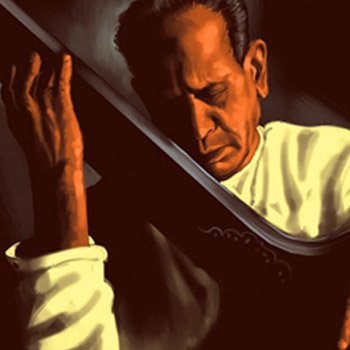
To nurture and propagate the priceless heritage of Indian Classical music, beginning with Hindustani Classical Music, through the tradition of 'Guru-Shishya Parampara'.
Our Founders & Pioneers
The visionaries who shaped ITC SRA

Late Mr. A.N. Haksar
Founder, ITCSRA

Pandit V.K. Kichlu
1st Executive Director, ITCSRA
Present Trustees
The combined wisdom of our Board of Trustees helps the Academy formulate its policies and take the best decisions for its progress. It ensures institutional effectiveness through professional management of the organisation. The present Board comprises Sanjiv Puri, Chairman of ITC Group; Nazeeb Arif, Amitav Mukherji, A.S. Sundaram and Saradindu Dutta who is the Executive Director of ITCSRA.
Sanjiv Puri
Saradindu Dutta
Amitav Mukherji
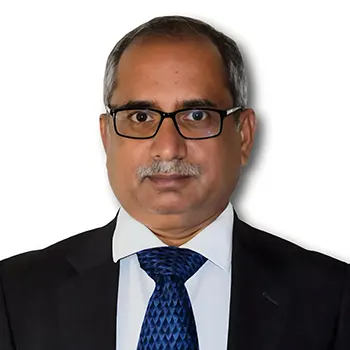
AS Sundaram
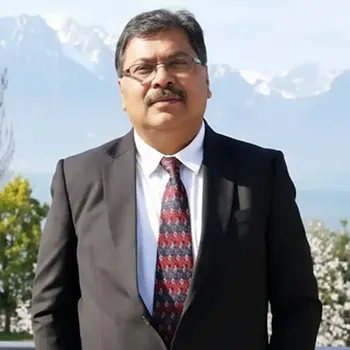
Nazeeb Arif
Realising the ITC SRA Vision
The responsibility to implement the visionary project was taken on by Pandit Vijay Kichlu, a reputed gharane-dar musician with a national cultural stature and with 23 years of managerial experience.
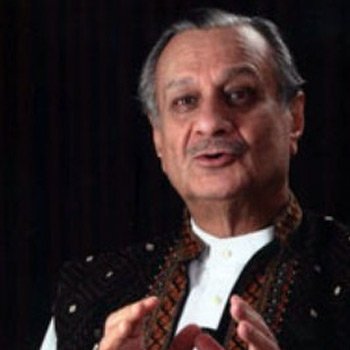
"ITC SRA's first Executive Director, Pandit Vijay Kichlu, brought together his deep musical knowledge and managerial acumen to build the institution from its foundations. His leadership established the Guru-Shishya parampara as the core of the Academy's training system."
— Vijay Kichlu, ITC SRA's First Executive Director
Aims & Objectives
In choosing classical music as an area of its social responsibility, ITC has played an important role in the resurgence and nurturing of this rich heritage. The three basic objectives of ITC-SRA are:
-
Creation of an effective training system.
ITC SRA has provided security and the comforts of a home for both guru and scholar. Its training system is essentially the Guru-Shishya Parampara with suitable contemporary inputs.
-
To rationalise traditional data
with the help of modern research methods and technology.
-
Preservation and propagation of music.
The quality of the average listener plays a vital role in the development of music. In the current Indian classical music scenario, where the audience has assumed the role of the most decisive patron, the task of nourishing a solid base of high quality listeners has become a critical factor for the survival of the best values in music.
Creating Platforms for Music
ITC SRA has undertaken the task of creating a variety of platforms all over our country and abroad, which attempt:
To take high quality music systematically to areas and sections of the population who otherwise do not enjoy access to it.
To cater to specialised audience needs and create connoisseurs of music by changing the conventional conference mould and creating new thematic profiles.
To commemorate those veterans and doyens of classical music whose pursuit of music as a form of knowledge has enabled us to establish and perpetuate a community of shared values.
ITC SRA Focuses on Vocal Music
ITC SRA initially devoted itself solely to training in Hindustani vocal music, acknowledged as the source of all learning in "shastriya sangeet". The initial focus had to be on vocal music to preserve and nurture the pristine purity of whatever was left of traditional Hindustani Classical Music.
The thinning down of the royal patronage of traditional Hindustani Classical Music had imperceptibly diluted this invaluable musical heritage. In the late Seventies, very few masters who had learnt music the classical way were left. More and more musicians had begun to sacrifice the truly classical at the altar of personal popularity.
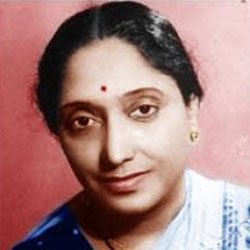
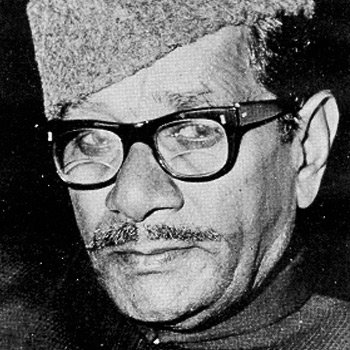
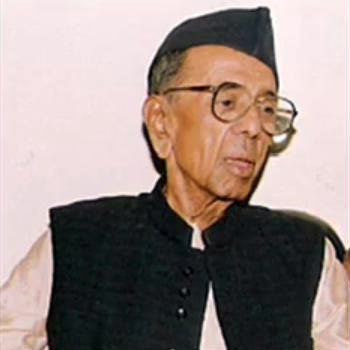
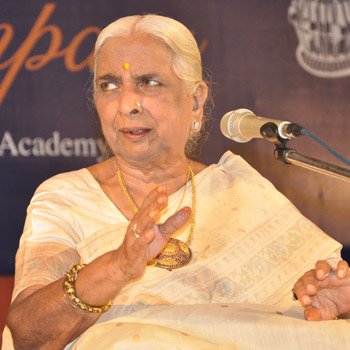
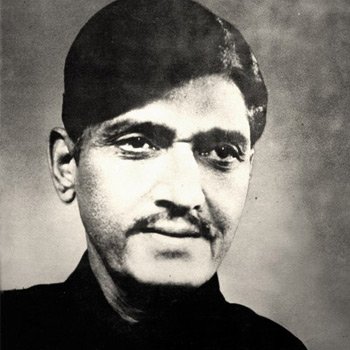
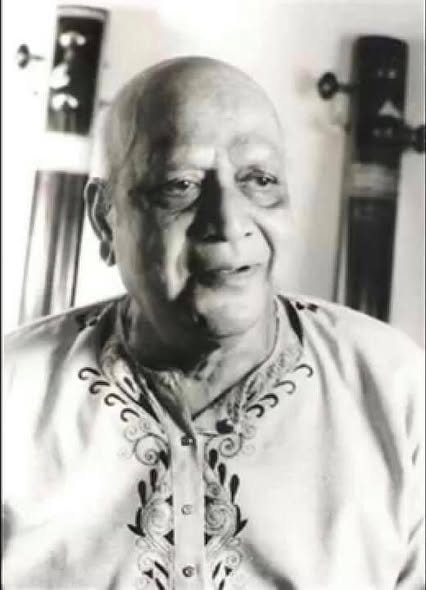
Among the luminaries in the world of Hindustani Classical music who readily identified themselves with the ITC SRA cause were, Nissar Hussain Khan (Sahaswan Gharana), Hirabai Barodekar (Kirana Gharana), Ishtiaq Hussain Khan (Rampur Gharana), Nivrittibua Sarnaik (Atrauli-Jaipur Gharana), Girija Devi (Benaras Gharana), Latafat Hussain Khan (Agra Gharana). All of them happily settled down in Kolkata and helped to create an institution epitomising the Guru-Shishya Parampara. A. Kanan and Malabika Kanan joined in 1979.
The Gurus Who Built the Legacy
Luminaries who settled in Kolkata to preserve the Guru-Shishya parampara

ITC SRA Introduces Instrumental Music Teaching
Eventually, the Academy turned its attention to Hindustani Classical instrumental music as well and on March 1, 2002, the Instrumental Division was introduced. It was headed by Pandit Buddhadev Dasgupta, the eminent sarod maestro, who was associated with ITC SRA for many years as a member of its Expert Committee.
Library and Archive
At the heart of ITC SRA's commitment to music education and research lies its comprehensive library and archives. The central library houses an extensive collection of books and manuscripts in English, Hindi, and Bengali, preserving the rich musical heritage for generations to come. Additionally, the archives contain press clippings, photographs, and invaluable information about renowned musicians from across India.
The Recording Studio
The Academy’s recording studio provides facilities like multitrack recording, mixing and mastering, sound designing, podcasting and live-streaming. The frequency calibration and masking systems help scholars have a better understanding of their tonal quality, along with pitch development. Our scholars routinely practice with professional audio equipment to have a better grasp on sound management for clear communication with the audio personnel during a concert.